Tic Tac Toe
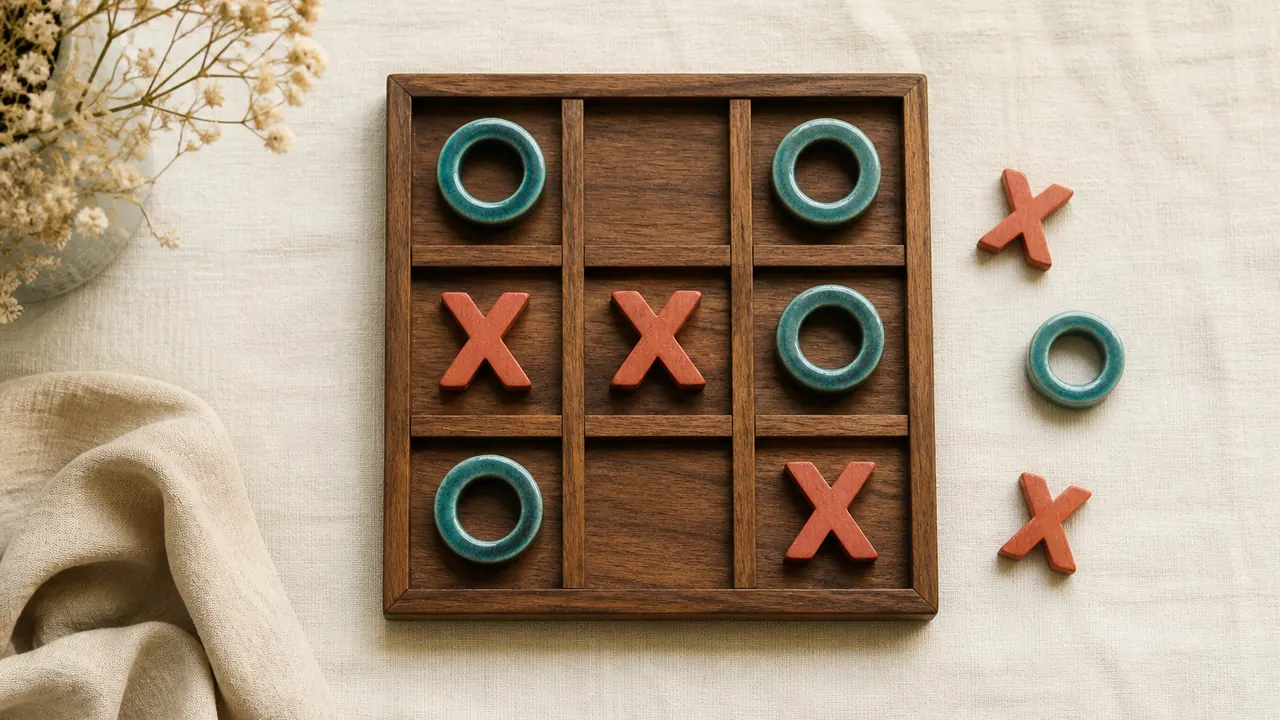
Easy to explain. Local mode is pass-and-play. Easy computer is gentle; Hard is a teaching tool for blocking.
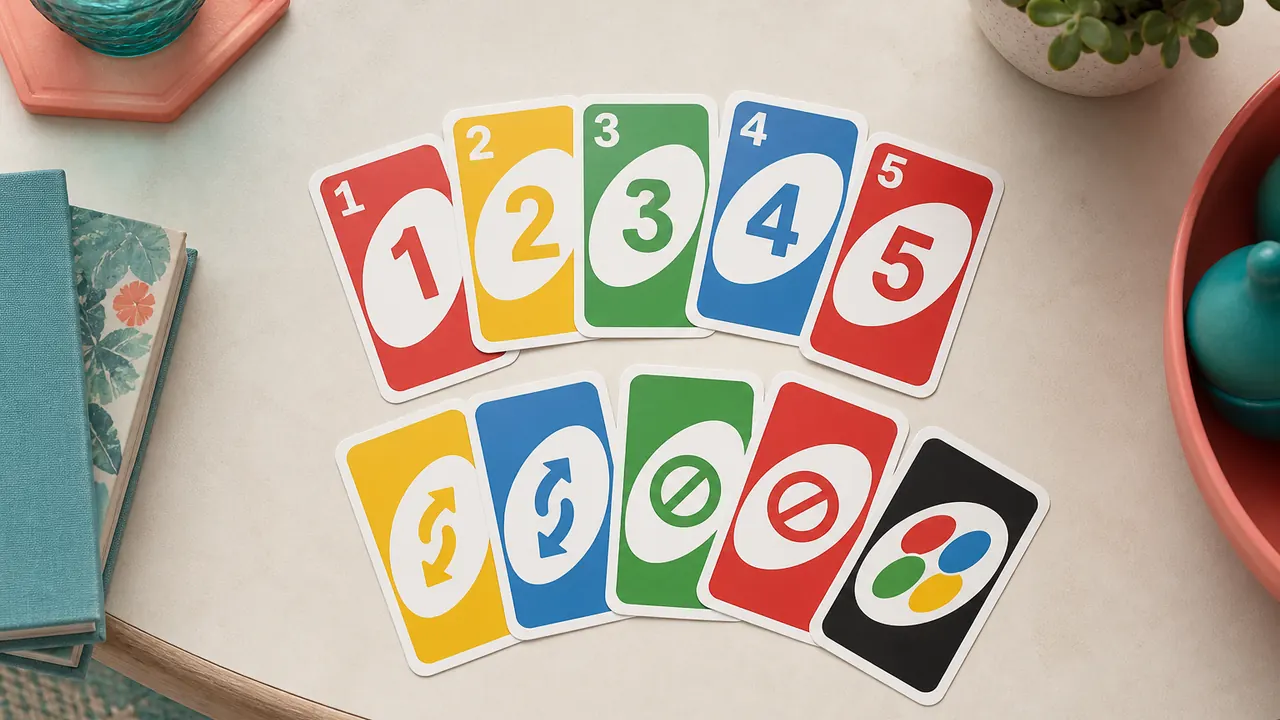
These are the games families already know. Rules fit on one screen. A parent can send a link to a sibling in another room, or sit together on one phone for Tic Tac Toe.
Pick a game everyone recognizes. Create a private room for people in different places, or use local two-player on one device.
Easy to explain. Local mode is pass-and-play. Easy computer is gentle; Hard is a teaching tool for blocking.
Easy to explain. Local mode is pass-and-play. Easy computer is gentle; Hard is a teaching tool for blocking.
No reading required beyond the three symbols. Hidden online throws stop peeking. Best of 3 keeps it short.
No reading required beyond the three symbols. Hidden online throws stop peeking. Best of 3 keeps it short.
The one that holds more than two. Two to four players, including a mix of people and computer opponents if someone steps away.
The one that holds more than two. Two to four players, including a mix of people and computer opponents if someone steps away.
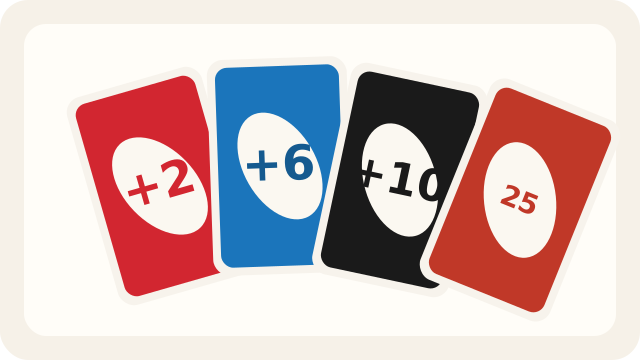
Up to six at one private table. Stacking and Mercy are harsher than classic UNO — better when everyone already knows the matching rules.
Up to six at one private table. Stacking and Mercy are harsher than classic UNO — better when everyone already knows the matching rules.
No accounts. A temporary id stays in the browser. Do not send room links to people you do not trust.
UNO up to four, or UNO Show No Mercy up to six, in one private room. Tic Tac Toe and Rock Paper Scissors are two players.